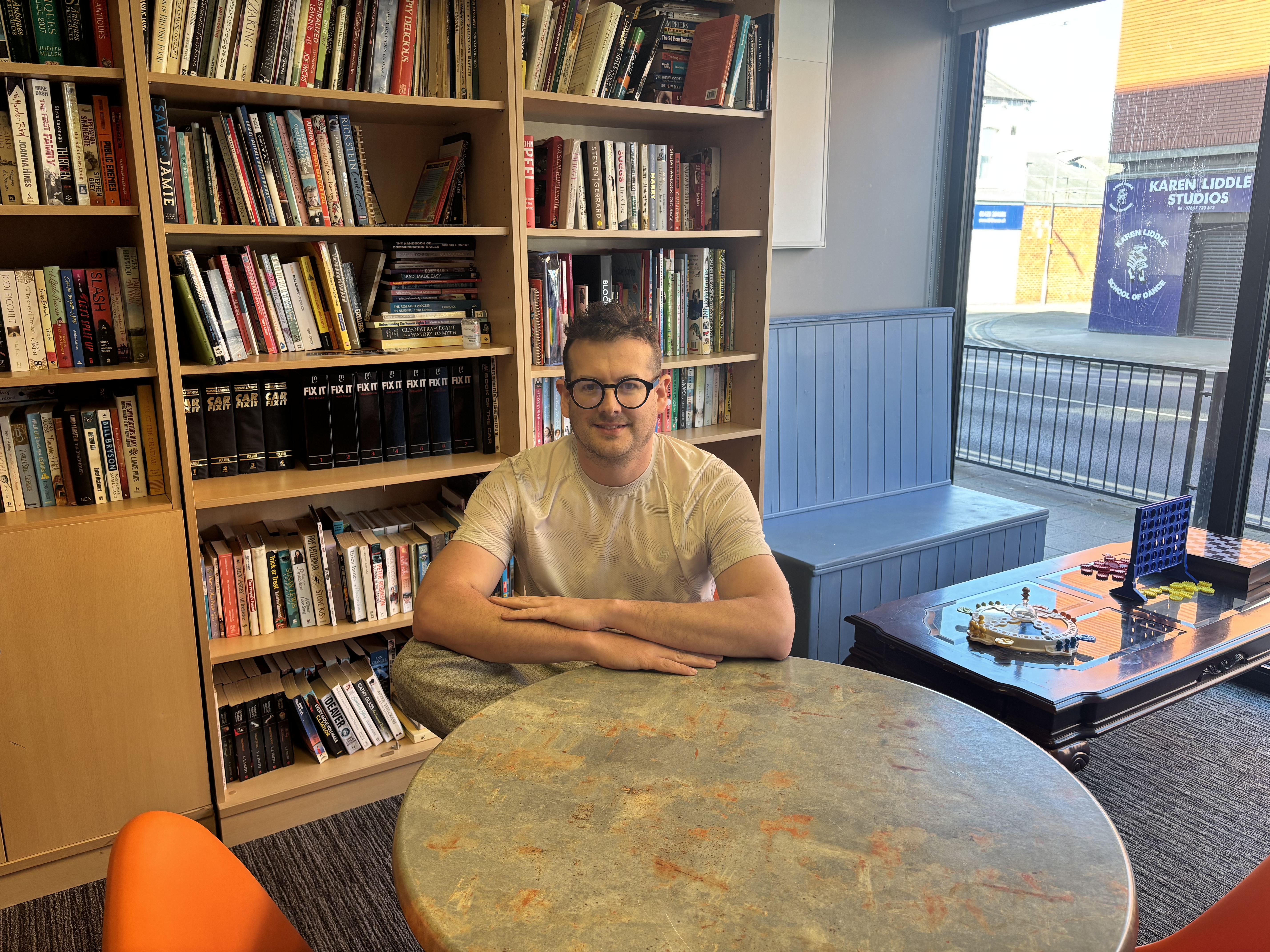
Trevor Sherwood
Counsellor
Accredited counsellor offering mental health and neurodiversity-informed support.

Autism, ADHD, mental health and housing support for adults aged 18+ in Hartlepool
LilyAnne’s Autism Mental health support
Neurodiversity-informed mental health support for autistic adults experiencing anxiety, loneliness, masking, overwhelm, burnout, low mood or life challenges.
A space where you are understood
Autism can affect how people experience communication, relationships, emotions, sensory environments and everyday life. Mental health challenges may be made worse by masking, social pressure, misunderstanding and a lack of suitable support.
Our support is calm, compassionate and neurodiversity-informed. We aim to provide a safe space where autistic adults can feel heard, respected and understood.
Meet our counsellors
Our counsellors offer compassionate, confidential and person-centred support shaped around each client’s individual needs.
Counsellor
Accredited counsellor offering mental health and neurodiversity-informed support.
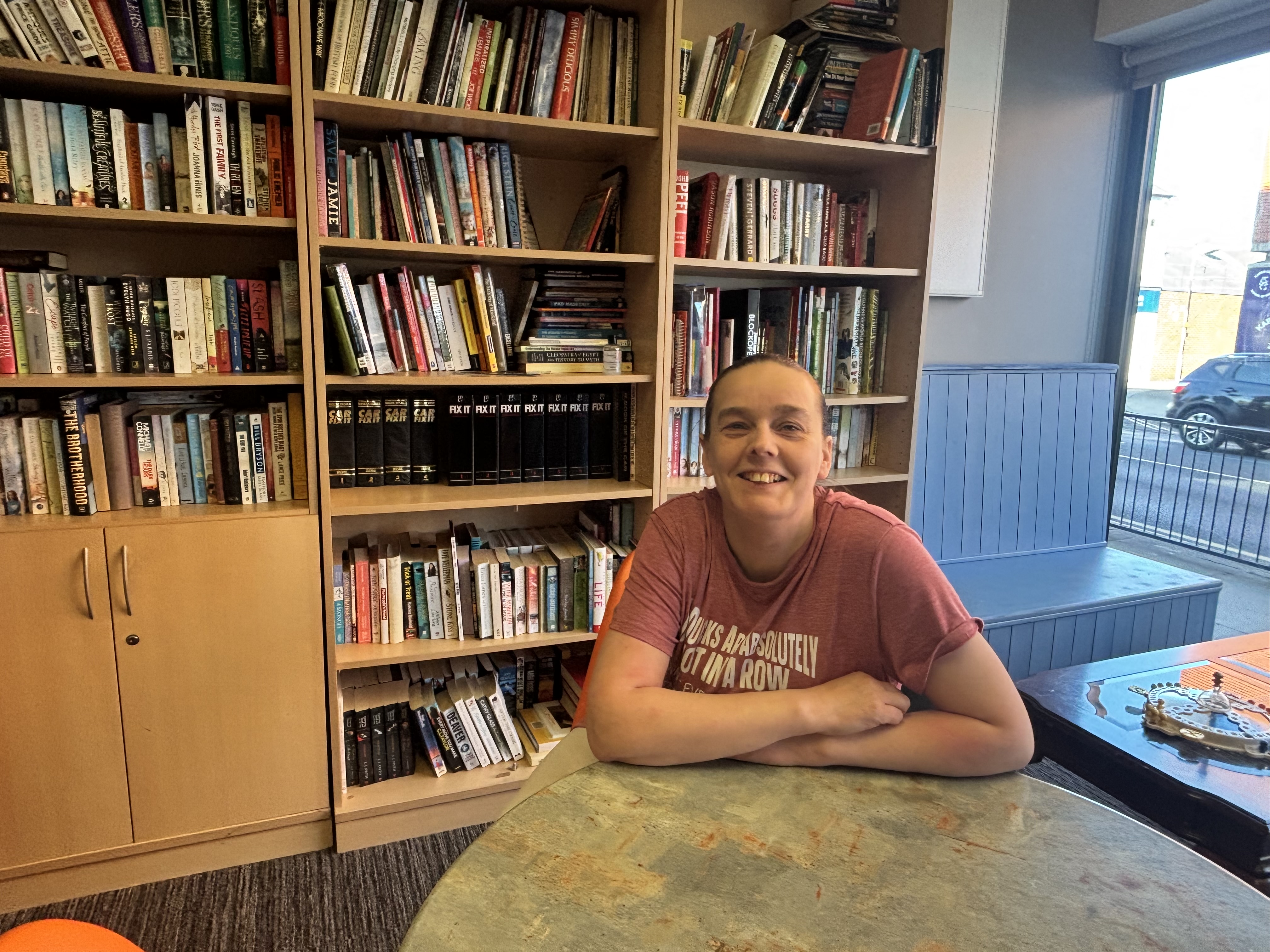
Counsellor
Providing compassionate counselling and community-based emotional wellbeing support.
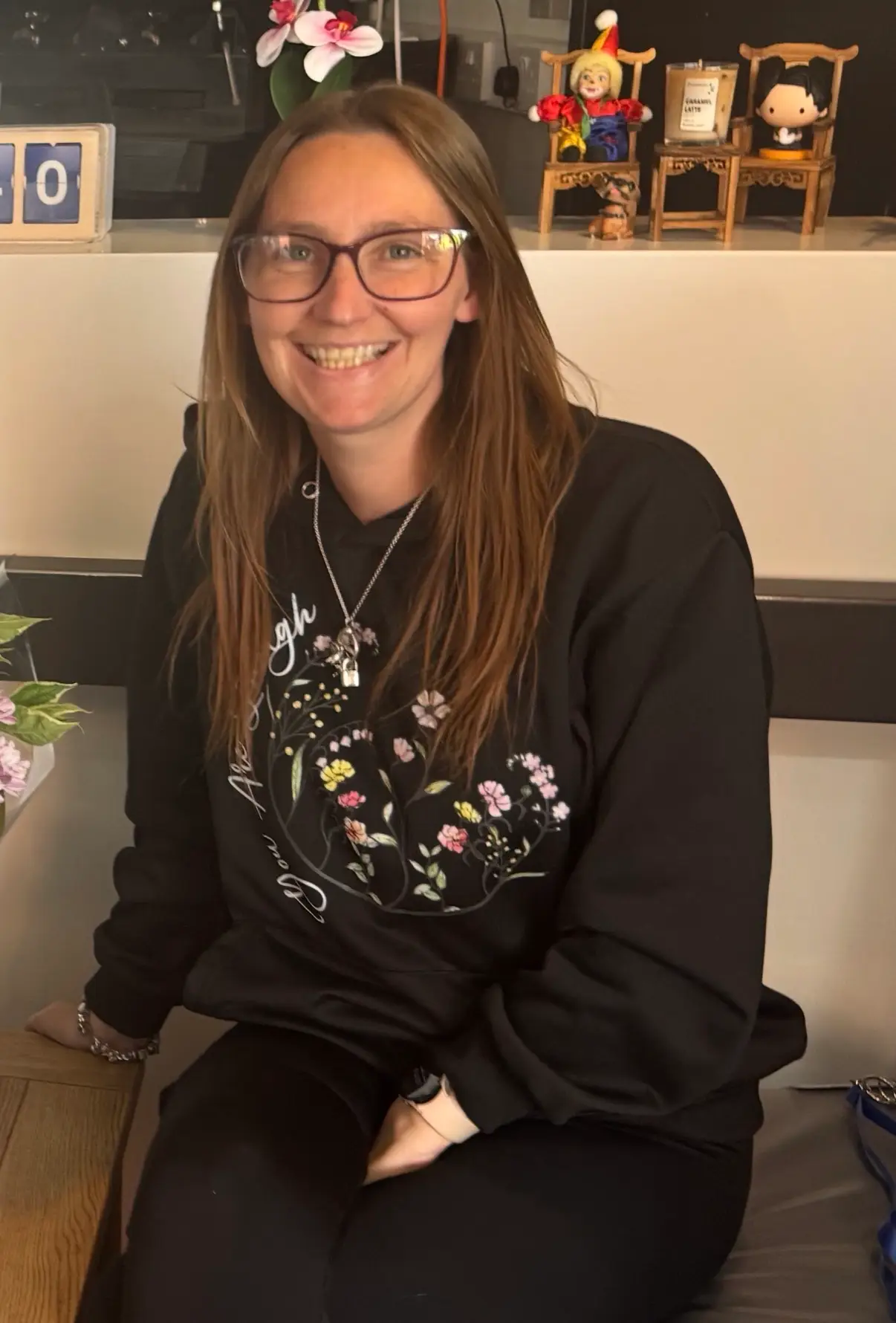
Counsellor
Psychologist and counsellor supporting mental health, trauma and neurodiversity.
Autism is not a mental-health condition, but autistic adults may experience challenges that affect emotional wellbeing. Select a topic to read the relevant LilyAnne’s guide.
Feeling worried, unsafe, overwhelmed or unable to switch off.
Read the anxiety guide →Feeling sad, hopeless, unmotivated or disconnected from everyday life.
Read the low mood guide →Feeling drained, overloaded, unable to cope or needing time to recover.
Read the burnout guide →Feeling isolated, misunderstood or disconnected from other people.
Read the loneliness guide →Finding emotions, change, uncertainty or daily demands difficult to manage.
Read the overwhelm guide →Feeling overwhelmed by noise, light, crowds, change or ongoing pressure.
Read the stress guide →Feeling exhausted from trying to fit in, hide difficulties or appear okay.
Read the masking guide →Feeling distressed or overwhelmed by unexpected changes, disrupted routines, transitions or uncertainty.
Read the managing change guide →Being yourself safely
Many autistic adults describe masking as trying to hide or suppress autistic traits to fit in, avoid judgement or meet social expectations. It can be exhausting and may contribute to anxiety, low mood, burnout and disconnection from your own needs.
Support that respects you
Counselling can provide space to explore anxiety, low mood, trauma, identity, relationships, masking, burnout and life experiences. It may help you understand your needs, boundaries and emotional wellbeing.
We do not try to change who you are. We support you to better understand yourself, feel heard and access support that respects your neurodivergent experience.
We recognise that autistic people are often expected to adapt to environments that do not always meet their needs. Our approach is built around understanding, respect and working at your pace.
You complete our online referral form.
Our team reviews your information and checks whether our service is suitable.
We contact you to discuss the most appropriate next step.
You begin the most appropriate support journey with LilyAnne’s.
Some people are autistic and also have ADHD, sometimes referred to as AuDHD. People may experience sensory and social overwhelm alongside difficulties with focus, impulsivity, emotional regulation or executive functioning.
Neurodivergent experiences are individual. We will work with you to understand what support feels right for you.
No. You do not need a formal diagnosis to seek support. Many people come to us while waiting for an assessment or exploring whether they may be autistic.
Counselling may help with anxiety, overwhelm, low mood, masking, burnout, relationships and understanding your own needs.
No. We understand that communication needs differ. You will not be judged for how you communicate or process information.
Yes. There are limited circumstances where information may need to be shared because of safeguarding, serious risk or another legal responsibility. This will be explained to you.
Taking the first step can feel difficult. We are here to make it simple, safe and supportive.
We use cookies to improve your experience on this website. You may choose which types of cookies to allow and change your preferences at any time. Disabling cookies may impact your experience on this website. You can learn more by viewing our Cookie Policy.
