Neurodivergent-Informed Counselling & Wellbeing Support
Autism can affect how you experience the world, communicate and manage everyday situations. For many people, this can lead to feeling overwhelmed, misunderstood or unsupported.
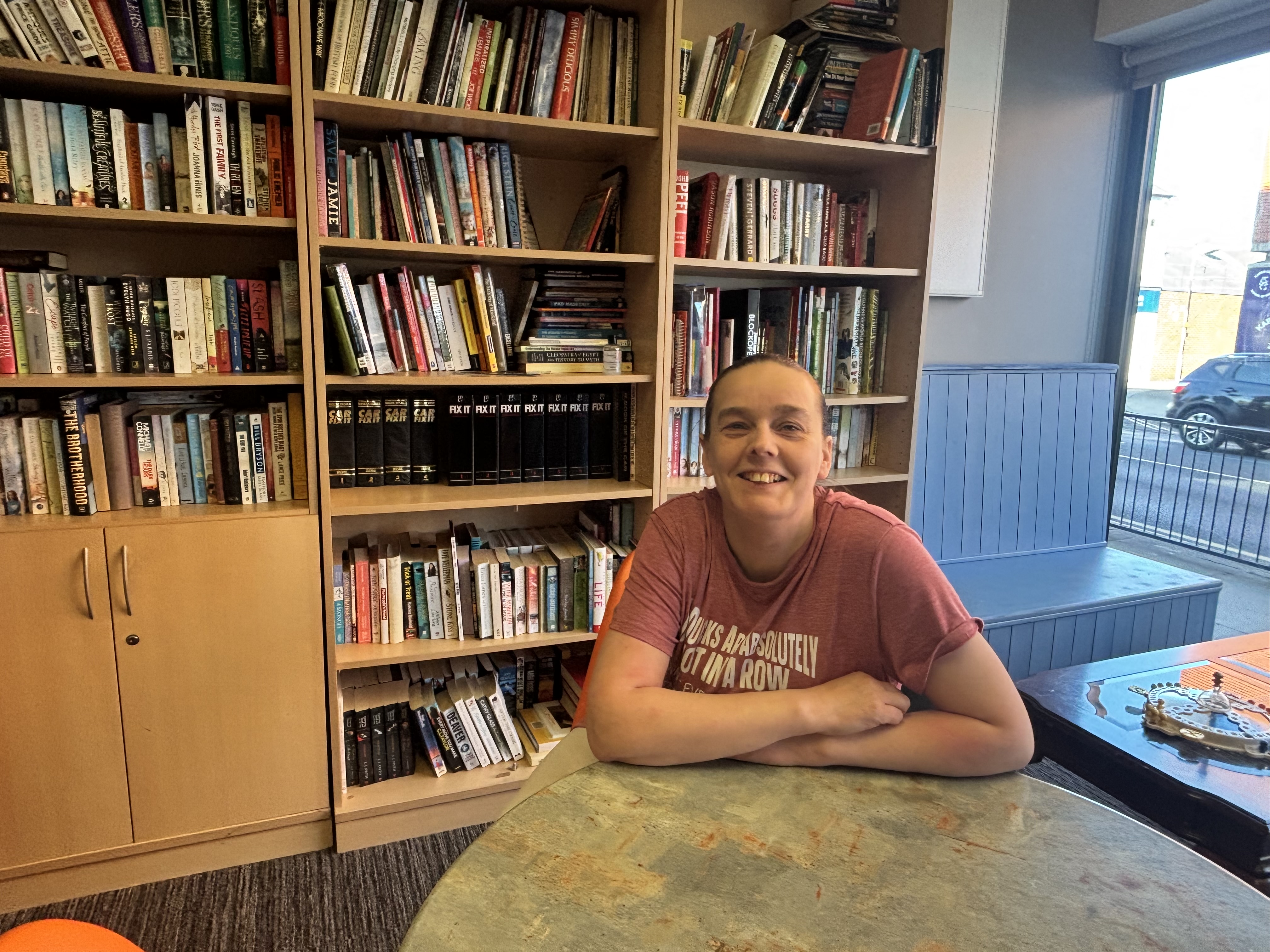
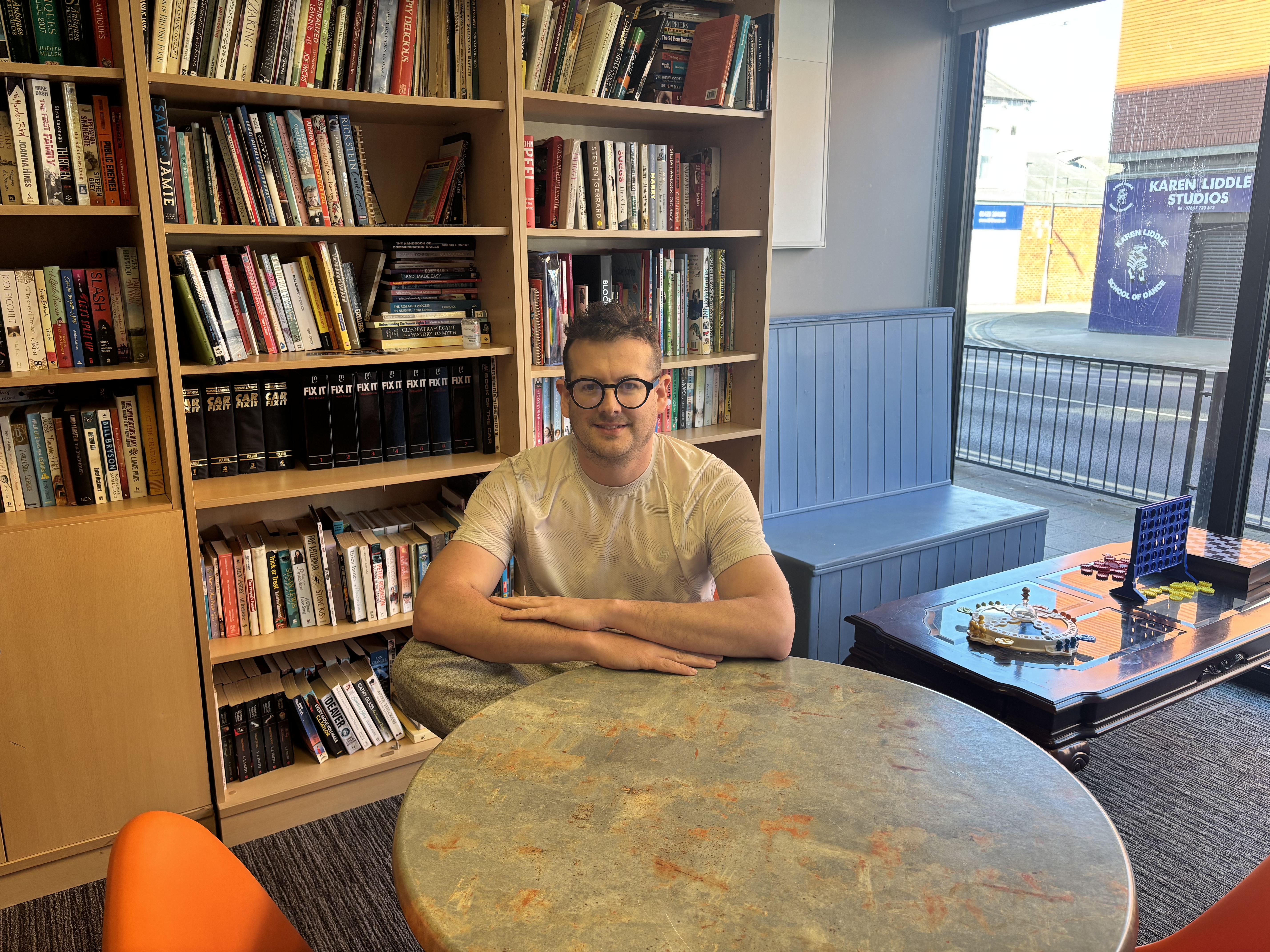
At LilyAnne’s Wellbeing, we provide autism support in Hartlepool through a calm, understanding and community-based approach, helping you feel comfortable, supported and able to be yourself.
Not everyone needs counselling or one-to-one support straight away.
Our coffee mornings in Hartlepool provide a safe, welcoming space for people experiencing loneliness, social isolation or simply looking to connect with others.
Whether you’re feeling unsure, overwhelmed or just want to be around people, you are always welcome.
Adult Autism Support in Hartlepool
How We Support Autism
We provide personalised autism support in Hartlepool, including:
One-to-One Support
A safe, supportive space to talk, reflect and explore what works for you.
Counselling for Autism
Our counselling services support emotional wellbeing, helping with anxiety, overwhelm, confidence and feeling understood.
Practial Support
We help you develop strategies that make everyday life more manageable, including:
Managing sensory overwhelm
Building routines and structure
Navigating social situations
Developing coping strategies
Emotional Support
We support you to:
Understand your experiences
Build confidence and self-acceptance
Reduce anxiety and overwhelm
A Neurodiversity-Friendly Approach
We understand autism as part of neurodiversity, not something to be changed or fixed.
Our environment is designed to feel calm, predictable and supportive, with clear communication and flexibility to meet your needs.
Supporting Neurodiversity
We also support individuals with ADHD and recognise that many people experience overlapping traits.
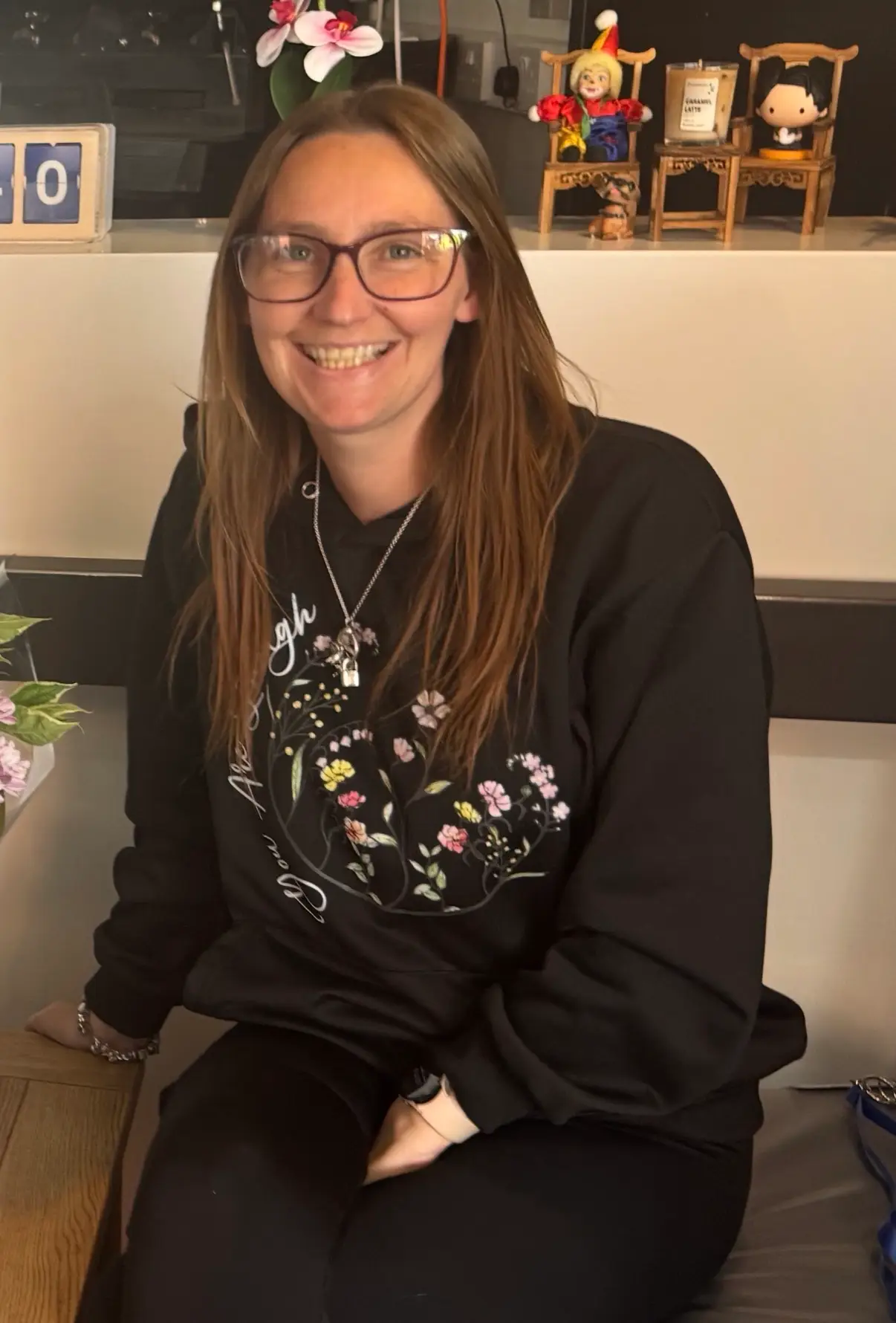
LilyAnne’s Wellbeing provides a calm, welcoming and neurodiversity-aware space where autistic adults can access emotional and practical support without a diagnosis or referral. Many members of our team have lived experience of autism, ADHD or sensory differences, which helps us offer understanding, respectful and personalised support.
We can help with anxiety, overwhelm, daily routines, emotional regulation, communication challenges and feelings of isolation. Adults can access one-to-one support, counselling, quieter sensory-friendly spaces, wellbeing activities and drop-in conversations at any time. We also offer pathways into additional services such as GPs, NHS Talking Therapies and local autism organisations when needed.
Whether you’re newly exploring autism, waiting for an assessment or simply need someone to talk to, LilyAnne’s Wellbeing provides a safe, non-judgemental place to get support in Hartlepool.
02
If you are autistic and looking for mental health support in the UK, there are several routes you can take, and LilyAnne’s Wellbeing is one of the community options available without long waiting lists or complicated referral processes.
You can start by speaking to your GP, who can refer you to NHS mental health services, talking therapies or specialist autism support if needed. Many areas also allow self-referral into NHS talking therapies, which can help with anxiety, overwhelm, low mood and emotional regulation. A formal autism diagnosis is not required for accessing emotional or wellbeing support.
At LilyAnne’s Wellbeing, autistic adults can access free, confidential, person-centred support in a calm, neurodiversity-aware environment. We offer counselling, emotional support, wellbeing strategies, help with routines and sensory-friendly adjustments. You can self-refer, be referred by a professional, or simply drop in for support at a pace that feels comfortable.
If you’re unsure where to begin, our team can help guide you through your options and make accessing mental health support feel easier and more approachable.
03
Autism can have a significant impact on mental health, often because of the challenges autistic people face in daily life rather than the autism itself. Many autistic adults experience anxiety, overwhelm, depression or burnout due to sensory overload, social expectations, communication differences and the pressure to “mask” or hide their natural behaviours. These constant demands can make day-to-day life exhausting and affect emotional wellbeing.
Difficulties accessing support, misunderstanding from services, or feeling judged or isolated can also contribute to mental health challenges. Changes in routine, crowded environments, loud noise, and unexpected situations can be especially distressing, and repeated experiences of being misunderstood can lead to low self-esteem or social withdrawal.
At LilyAnne’s Wellbeing, we recognise that autistic people often need spaces that feel calm, predictable and welcoming. Our approach is neurodiversity-friendly, offering support that takes sensory needs, communication preferences and emotional fatigue into account. You can talk to us without fear of judgement, and we’ll work with you to find strategies that help you feel more in control and supported in your day-to-day life.
If you’d like help with anxiety, overwhelm, routines or general wellbeing, you’re welcome to contact LilyAnne’s for support tailored to your needs.
04
If you are autistic, neurodivergent, or supporting someone who is, emotional support is available locally in Hartlepool and you do not need to face things alone.
At LilyAnne’s Wellbeing,(chatgpt://generic-entity?number=0) we offer neurodiversity-informed emotional support for autistic adults and those exploring autism or ADHD. You do not need a formal diagnosis to access our support.
We provide:
• One-to-one emotional support
• Autism and ADHD-informed counselling
• Peer support opportunities
• A calm, welcoming wellbeing hub environment
• Practical help alongside emotional wellbeing
Our approach is person-centred, trauma-informed, and led by understanding of lived experience. You can self-refer or contact us directly through our website.
You may also find additional local support helpful, including:
• Daisy Chain (https://daisychainproject.co.uk/)–(https://daisychainproject.co.uk/) Social groups, activities, and support for autistic and neurodivergent people and families.
• Hartlepool Carers (https://www.hartlepoolcarers.org.uk/)–(https://www.hartlepoolcarers.org.uk/) Emotional and practical support for carers.
• Hartlepool SENDIASS (https://www.hartlepoolsendiass.co.uk/)–(https://www.hartlepoolsendiass.co.uk/) Information, advice, and guidance for children, young people, and families around SEND and autism.
If someone is experiencing a mental health crisis, they can contact:
• NHS 111 (option 2) for urgent mental health support
• Samaritans on 116 123
• 999 in an emergency
At LilyAnne’s Wellbeing, we believe emotional support should be accessible, non-judgemental, and built around the individual. If you would like to talk, explore options, or simply find out what support might feel right for you, we are here.
05
Autism itself is not a mental health condition, but autistic people are more likely to experience mental health challenges because of the environments and barriers they face.
At LilyAnne’s Wellbeing,(https://www.lilyannes.co.uk) (https://www.lilyannes.co.uk)we often see how mental health difficulties develop around autism, rather than because of autism.
Some common ways autism can impact mental health include:
• Feeling misunderstood or not listened to
• Sensory overload from noise, light, crowds, or busy environments
• Social exhaustion or masking to “fit in”
• Difficulties with change, uncertainty, or transitions
• Experiences of bullying, exclusion, or isolation
• Struggles with communication or being able to express emotions
Over time, these experiences can increase the risk of:
• Anxiety
• Depression
• Low self-esteem
• Burnout
• Emotional exhaustion
Autistic people may also express distress differently, which means their mental health needs are sometimes missed or misunderstood.
At LilyAnne’s Wellbeing, we believe autistic mental health support should be:
• Neurodiversity-informed
• Non-judgemental
• Person-centred
• Accessible with or without a diagnosis
We focus on understanding each person’s lived experience and offering emotional support that respects their identity, communication style, and needs.
Autism does not mean someone is broken or “wrong”. With the right understanding, adjustments, and compassionate support, autistic people can build positive mental wellbeing and a strong sense of self.
06
If you’re autistic or think you might be, and you’re looking for mental health support, there are several helpful pathways you can take.
At LilyAnne’s Wellbeing, we offer neurodiversity-informed emotional support and counselling that meets you where you are — you don’t need a formal diagnosis to access this support. You can self-refer via our referral page, and once referred you can be offered an appointment through our booking system.
👉 Self-refer: https://www.lilyannes.co.uk/referrals(https://www.lilyannes.co.uk/referrals)
👉 Appointments (after referral): https://www.lilyannes.co.uk/booking(https://www.lilyannes.co.uk/booking)
Other ways to get support in the UK
1. Talk to your GP
Your GP can:
• Discuss your experiences and concerns
• Refer you to NHS mental health services or talking therapies
• Help start a neurodevelopmental assessment pathway if appropriate
2. NHS Talking Therapies (IAPT)
Through your GP, you can access counselling and structured support for anxiety, low mood, stress and more.
3. Specialist autism-aware services
Some NHS and charity services offer support tailored to autistic adults, including emotional wellbeing groups, counselling and peer support. Your GP or local mental health team can help you find what’s available locally.
4. Local autism and neurodiversity organisations
Charities and community groups often provide group support, information, listening spaces and activities that help with emotional wellbeing.
If you’re not sure where to start, please reach out to us at LilyAnne’s — we can help you explore the right next step for your situation with kindness and clarity.
07
From the perspective of LilyAnne’s Wellbeing,(https://www.lilyannes.co.uk) autism itself is not a mental health condition. However, autistic people are more likely to experience mental health challenges because of the barriers, pressures, and misunderstandings they often face in everyday life.
Common factors that can affect mental wellbeing include:
• Feeling misunderstood or not listened to
• Sensory overload (noise, light, crowds, busy environments)
• Social exhaustion or masking to “fit in”
• Difficulty with change, uncertainty, or transitions
• Bullying, exclusion, or social isolation
• Challenges communicating emotions or needs
Over time, these experiences can increase the risk of:
• Anxiety
• Depression
• Low self-esteem
• Burnout and emotional exhaustion
Autistic people may also express distress differently, which means their mental health needs can sometimes be missed or misinterpreted.
At LilyAnne’s Wellbeing, we understand that mental health difficulties often develop around autism, not because of autism. We offer neurodiversity-informed, non-judgemental emotional support that:
• Does not require a formal diagnosis
• Respects individual communication styles
• Is person-centred and trauma-informed
Autism is a difference, not a defect. With understanding, adjustments, and compassionate support, autistic people can build positive mental wellbeing, confidence, and a strong sense of self.